
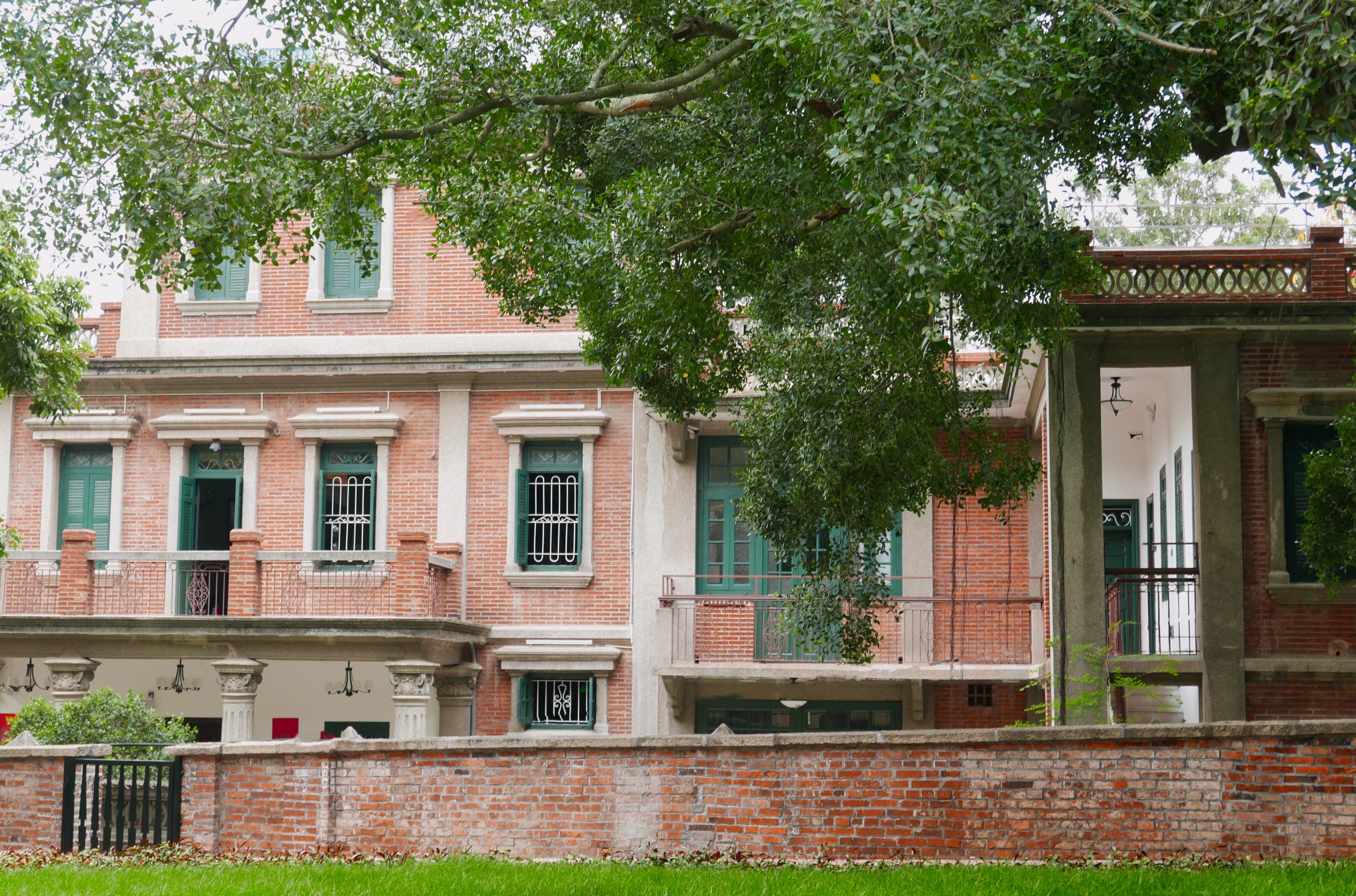
Just off the southern coast of Fujian, Kulangsu is a vehicle-free tropical island with an array of colonial mansions built of red bricks and mortar. They blend Minnan and Western architecture, displaying a curious cultural fusion, unlike anywhere else in mainland China.
Resembling a tropical garden floating in the bay of Xiamen, Kulangsu is a gem on China’s southeast coast. This island is known for its picturesque townscape, where lush green leaves draped exquisite villas and residences built mainly of red bricks. Some stand on granite hills, while others dot along the verdant shorelines. And thanks to the ban on all motor vehicles, the island of Kulangsu seems like a world away from the hustle and bustle of a Chinese metropolis.
Despite its small scale (only 1.88 square kilometers), Kulangsu played an important role in Chinese history and culture as a bridge between the Middle Kingdom and Europe. It was once an international settlement where Western culture and lifestyle collided and were woven into Chinese society. This is reflected in more than 900 historical buildings and gardens across the island. Most of which are a fusion of traditional Fujian architecture and styles introduced by Westerners.

Brief History of Kulangsu
Following the First Opium War, China’s Qing dynasty was forced to sign the Nanjing Treaty in 1842, ceding Hong Kong to the United Kingdom as a colony and opening seaports to foreign trade. Xiamen, along with Guangzhou, Fuzhou, Ningbo, and Shanghai, became a treaty port where British merchants were allowed to trade freely and even exempted from local laws. Other industrialized nations soon followed suit, driving an influx of businessmen, officials, and missionaries to Fujian’s southern coast. Yet these newcomers faced one critical issue: where to settle down, as the British concession in Xiamen was small and purely served commercial activities.
With proximity to the port (600m across the Lujiang Strait) and a pleasant natural environment, Kulangsu – also known as Gulangyu – became an ideal choice. Foreign consulates, foreign firms, warehouses, and residences were set up, followed by churches, schools, hospitals, and other cultural and recreational facilities. In 1903, an international settlement was established on Kulangsu, and ever since, the island has served as a window for Sino-foreign exchanges.
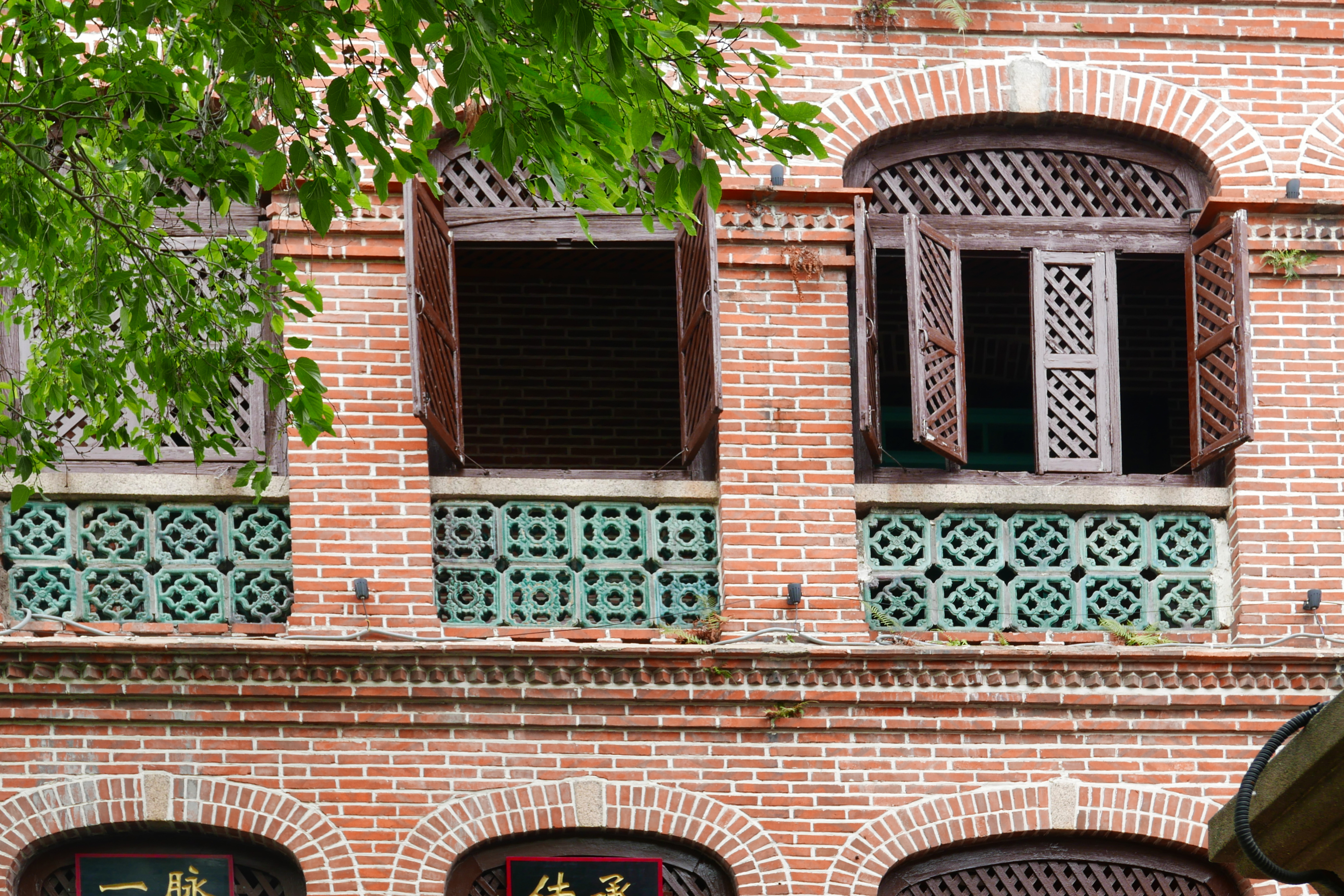
As the island continued to present a relatively stable and cosmopolitan vibe, it became attractive among Chinese elites, especially those who returned from Southeast Asia between the mid-19th century and the mid-20th century. This sparked another golden era on Kulangsu, marked by the development of a distinct architectural movement called Amoy Deco – a hybrid between Eastern designs and Western Art Deco and Modernist elements. This style subsequently exerted influence over Fujian’s coastal areas, Taiwan, and, to some extent, Southeast Asia.
In 1949, with the emergence of the People’s Republic of China, Kulangsu’s population and social structure underwent massive changes. Villas and Western-style houses gave way to ordinary buildings, albeit slowly. The spatial layout, fortunately, was left intact, and the island largely maintained its late 1930s appearance. In the 1980s, Kulangsu was promoted as a prime scenic spot and accordingly conserved. Eventually, the island was designated a World Heritage Site by UNESCO in 2017 as an outstanding fusion of Chinese and Western cultures.



1. Piano Museum
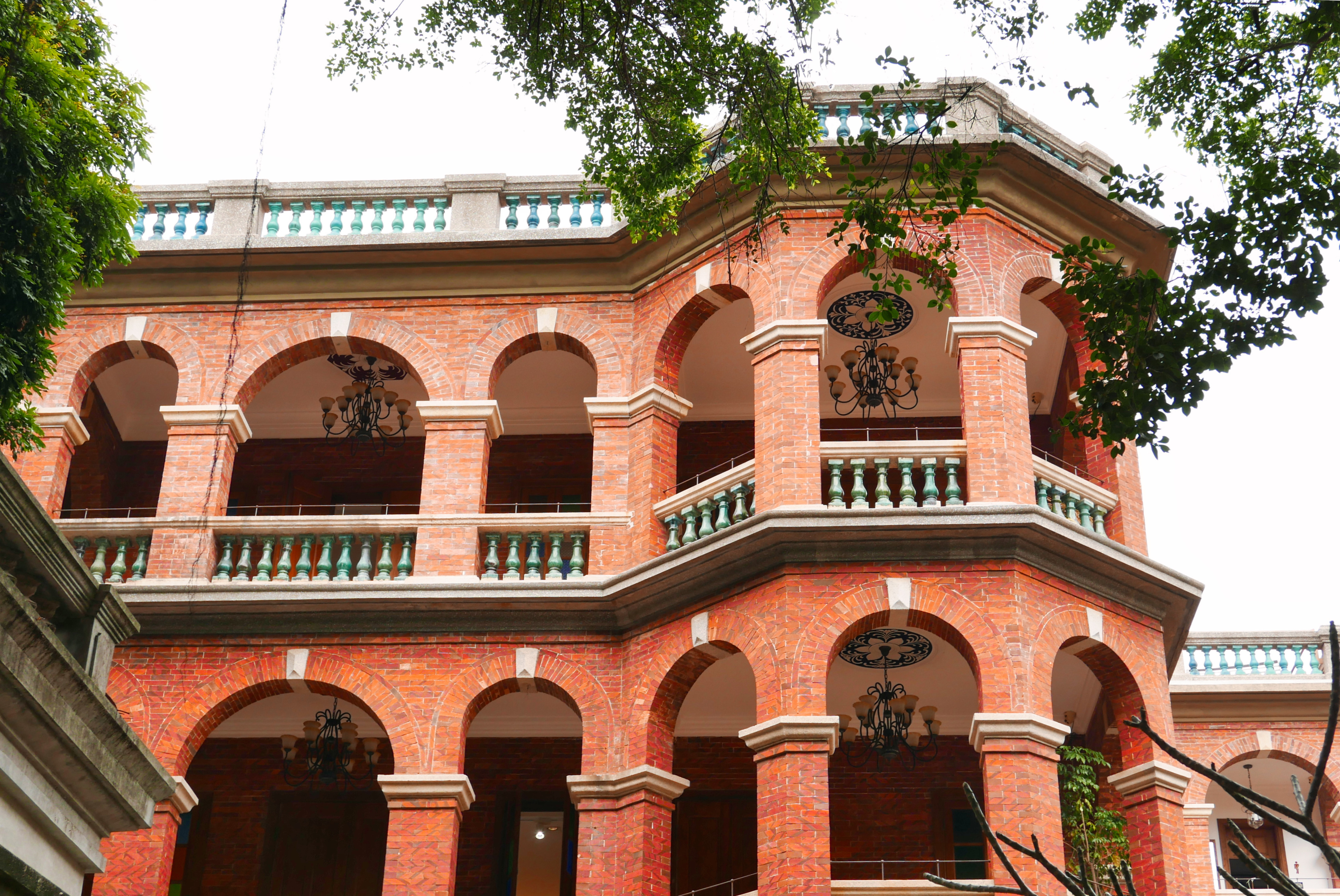
Aside from its characteristic buildings, Kulangsu is also known as the very first place in China where Western classical music could be played and heard. It was introduced to the island by wealthy Europeans, along with musical instruments, such as pianos and organs, which were nearly non-existent in China at the time. Since then, classical music has become a prominent aspect of this exotic island, as evidenced by a series of music schools and academies, as well as the famous Piano Museum.
Music is a prominent aspect of Kulangsu.
Shaped like piano keys along a rolling hill, the multi-tiered Piano Museum houses China’s largest and only collection of pianos, with more than 100 gleaming objects. They came in various shapes and sizes, from miniature children’s models and antique hand-held versions to gold-plated artworks with intricate inlaid. Most were imported directly from abroad and then painstakingly transported to the island via ferry.
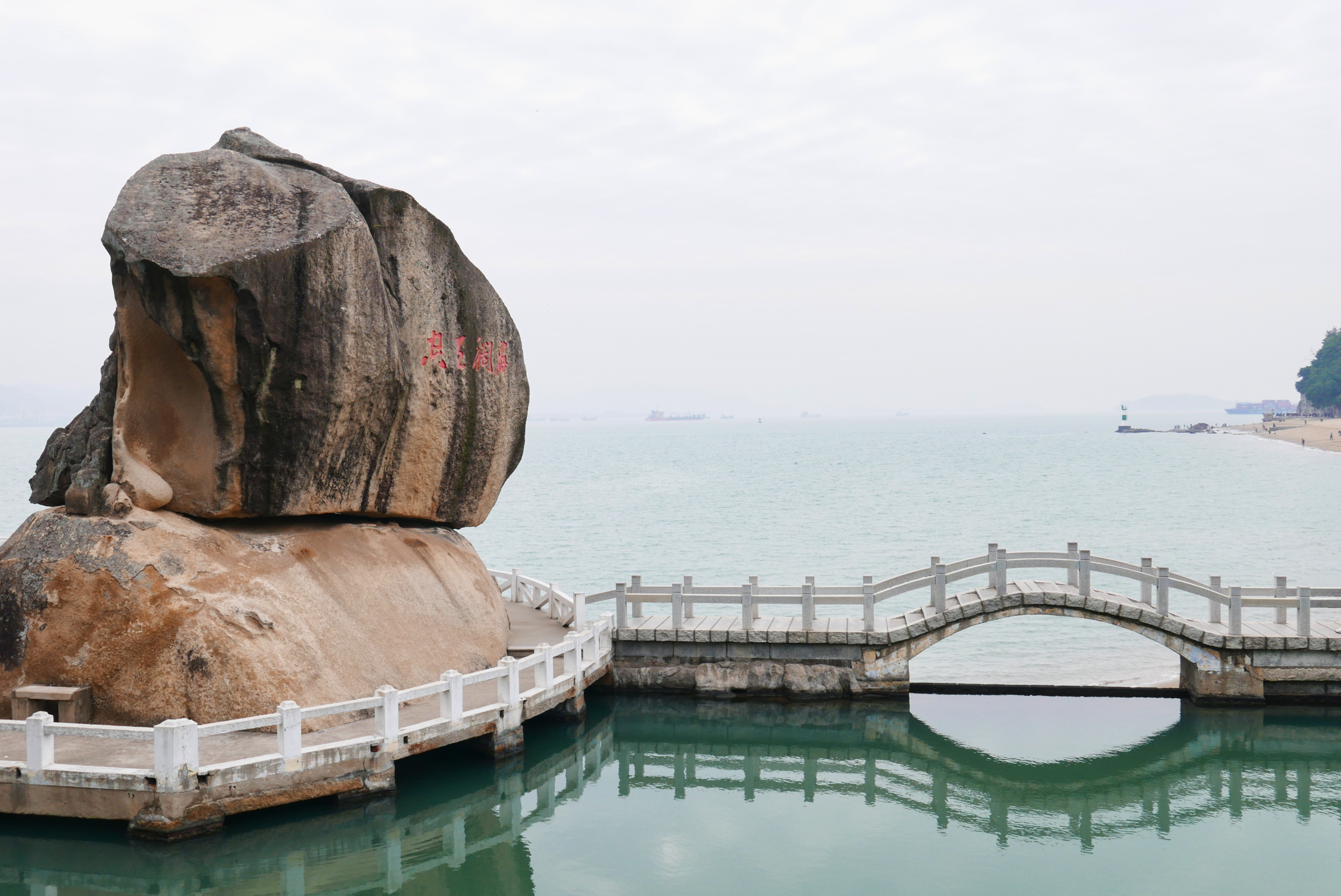
Below the museum is a beautiful seaside garden that was once an estate of the Taiwanese magnate, Lin Erjia. It dates back to 1913 and is named “Shu Zhuang” after his courtesy name. The garden consists of lily ponds, pavilions, boulder sculptures, and a little maze of sandstone formations. Yet its most striking feature is the 44-sectioned walkway that zigzags over the waves and provides stunning views of the bay, the palm-lined beach, and the Sunlight Rock – Kulangsu’s highest granite hill.


2. Organ Museum
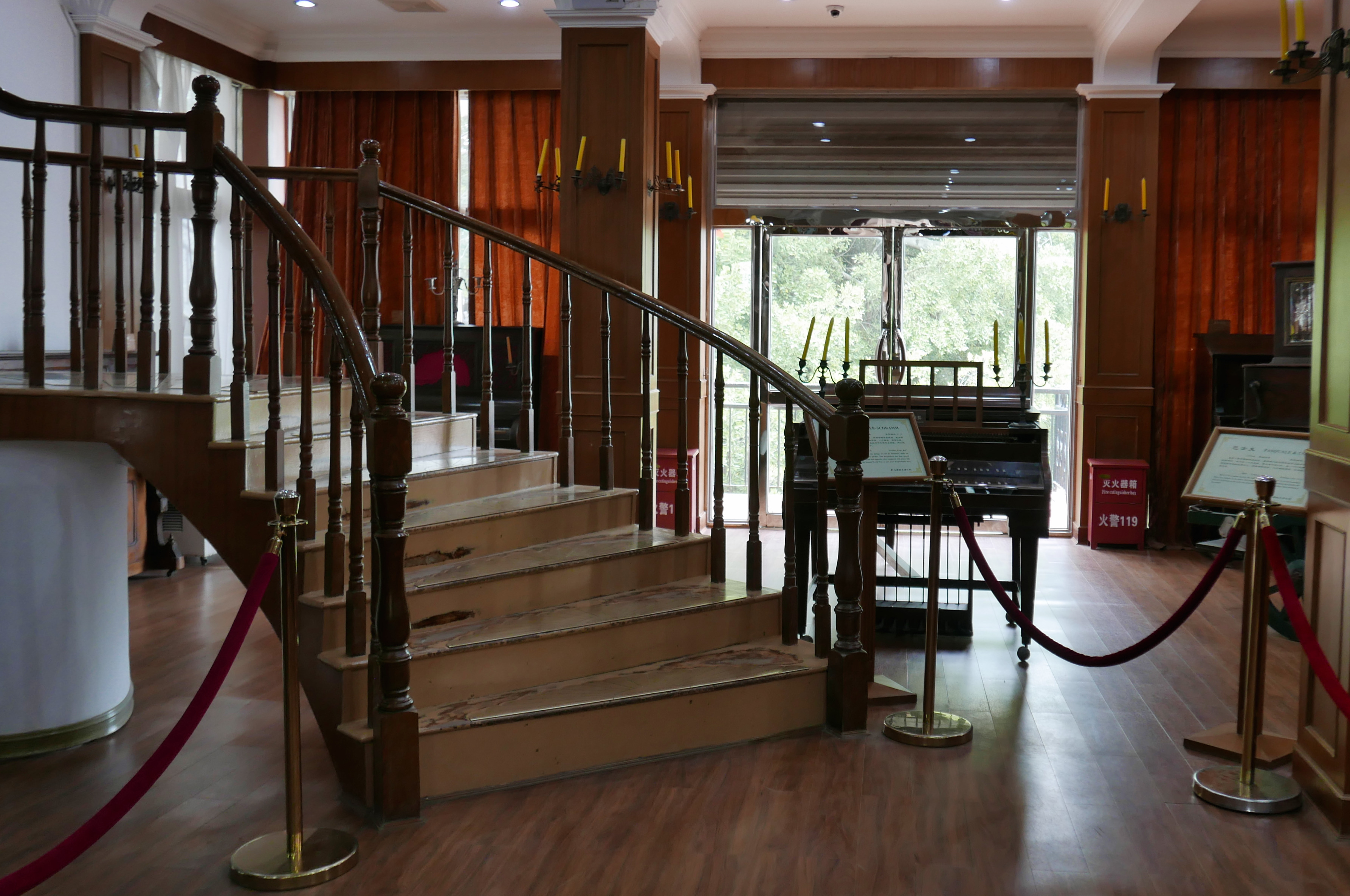
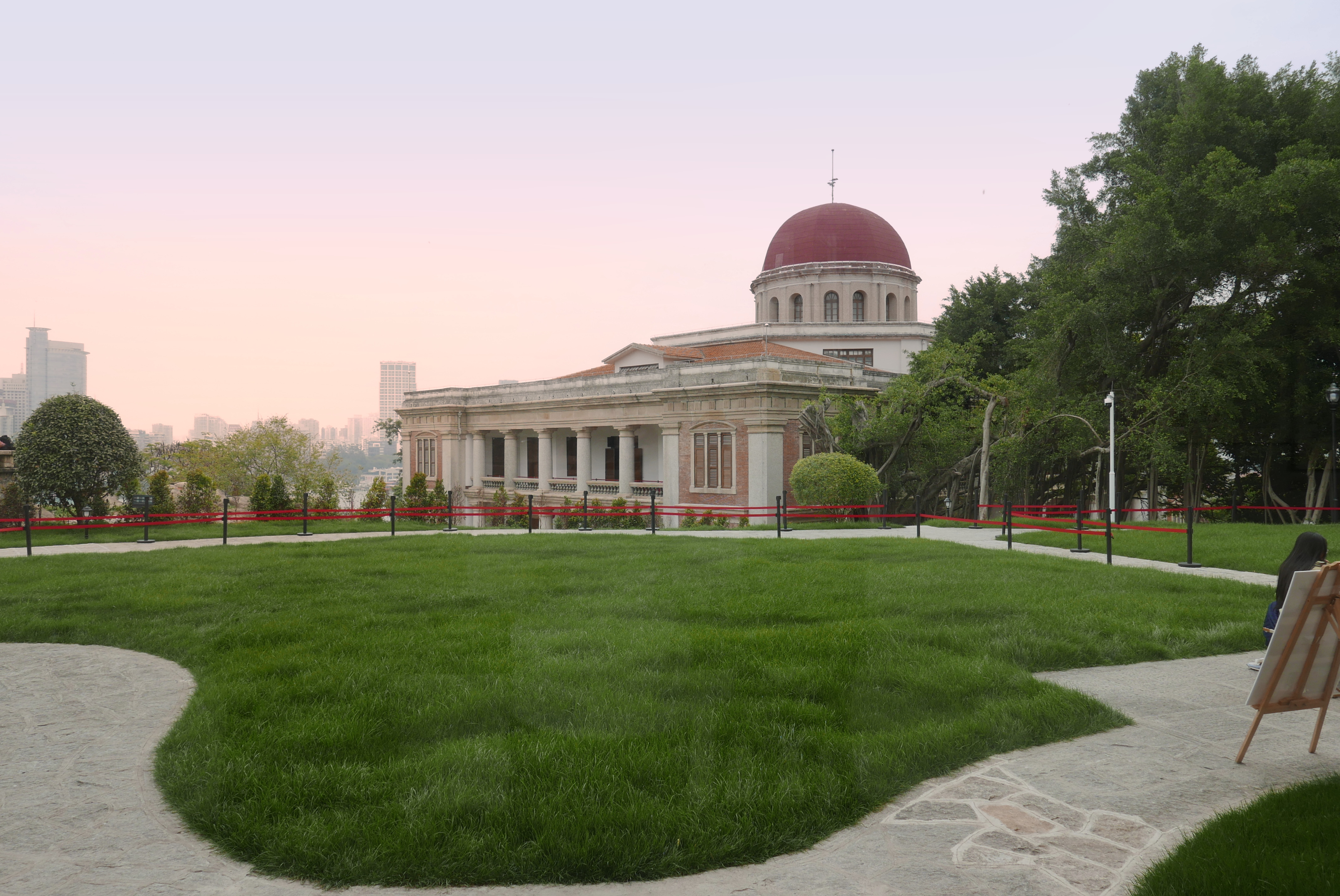
Another unmissable sight in Kulangsu is the Organ Museum, often referred to as the Bagua Mansion for its red octagonal dome. At the time of construction (1907), it was the largest residence on the island, even visible from across the bay in Xiamen. The structure was an overambitious project by Lin Heshou, a rich Taiwanese merchant who eventually went bankrupt due to the immense construction costs. The house was then sold to a Japanese bank, before being taken over by the Kuomintang after WWII.
Despite the owner’s bad fortune, the Bagua Mansion today stands as an outstanding example of Kulangsu architecture, blending elements from East and West. It displays the Neoclassical style, characterised by a rectangular layout, granite columns, pediments, and a circular porch. Yet at its core is a central octagonal hall with multiple directional skylights that reflect the meaning of “Bagua” (Eight Trigrams). Moreover, the use of red bricks on the exterior – a distinctive symbol of traditional Minnan architecture – showcases the brilliant design ingenuity.
These days, melodies echo in the lofty octagonal hall, as the Bagua Mansion found new life as the Organ Museum. It houses dozens of century-old pipe organs, including a gigantic instrument from England with exquisite carvings. And from the mansion balconies, one can have fantastic views of the entire island and the Xiamen waterfront, just as Lin Heshou wished for when he began this project.
A fine example of Kulangsu architecture, blending elements from East and West.


3. Xiamen
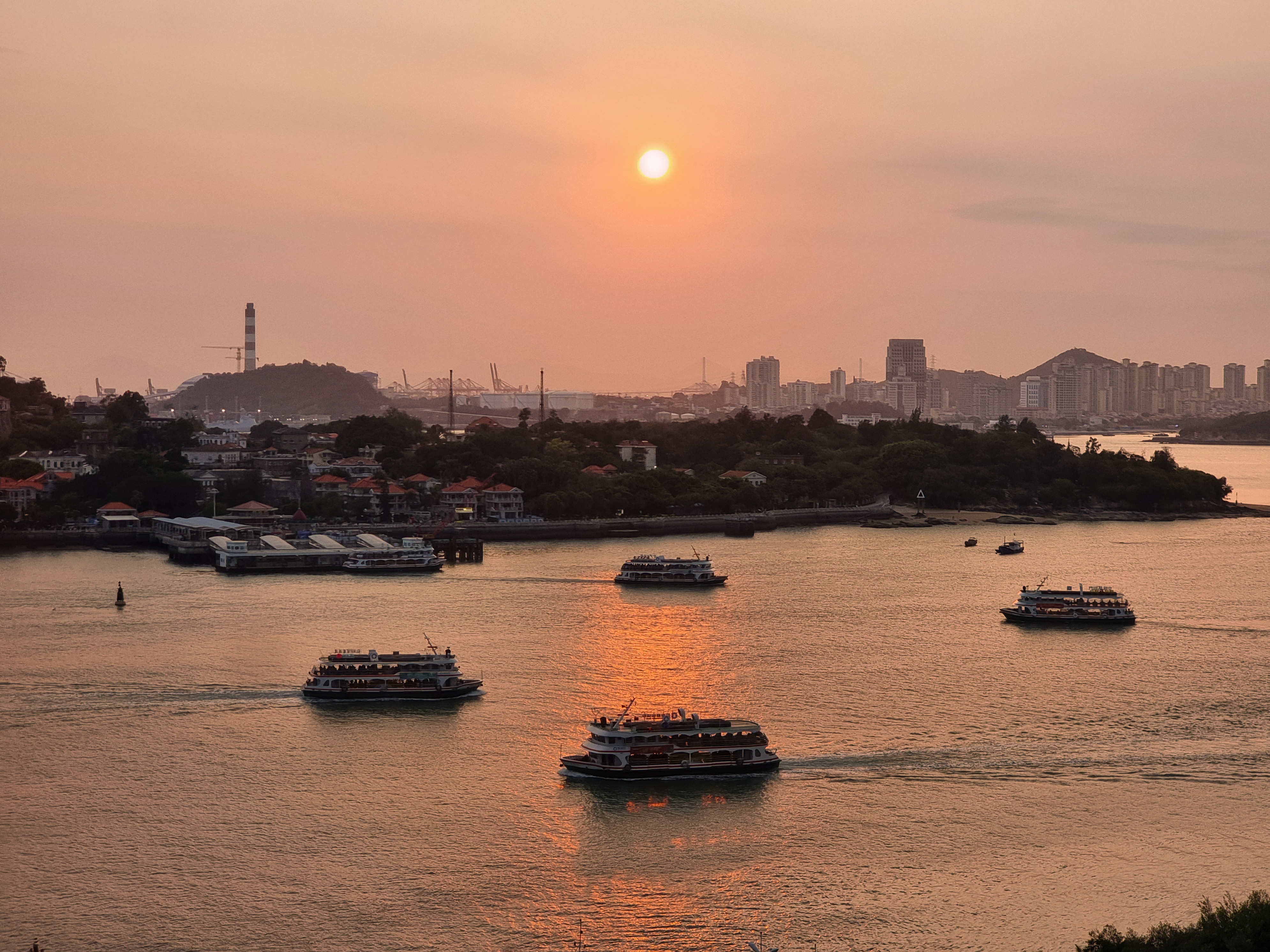
Across the narrow strait from Kulangsu, the seaport of Xiamen – effectively a large island connected to the mainland today by a five-kilometer-long bridge – has long served as a gateway to China. The city was no stranger to traders, missionaries, and later, colonists from Portugal, the Netherlands, and Britain. The latter of whom called it “Amoy”, based on its Hokkien name.
Xiamen was no stranger to traders, missionaries, and later, colonists.
With the establishment of the treaty port in the mid-19th century, Xiamen’s importance grew significantly, becoming a target of investment and a commercial center on Fujian’s southern coast. Much like the Bund in Shanghai, Xiamen features a grand waterfront with edifices constructed by the British and other imperial powers. Here’s where the major banks and prominent trading houses of the late 1800s and early 1900s once were, alongside a thriving consumer market.
Right behind the tidy waterfront sits the old town – a labyrinth of crumbling traditional shophouses. It was from here that tea, rice, lacquer, silk, and spices from China were shipped worldwide. The goods might be different now, yet one can catch a glimpse of the past in dozens of Chinese medicine parlours, dried food stores, and many others. They are arranged around the newly refurbished Zhongshan Road, which is pedestrianized and flanked by imposing buildings in various architectural styles.


Tips for Visiting Kulangsu
- The scenic island of Kulangsu is reachable only by ferry, with Xiamen International Cruise Terminal (about three kilometers from downtown) serving as the primary departure point for daytime visitors. The journey takes about 20 minutes and costs 35 CNY (return trip).
- From the island, one can return to the city via the Cruise Terminal or Ludu Port, which is located on Xiamen’s Bund. Please note that foreign travellers can only use the ferry heading to Ludu Port after 17:40, as these ferries are part of the local commuter boat system.
- A combo ticket (90 CNY) grants access to all the sights on Kulangsu Island. Yet one can also buy tickets separately at each site.
- To enhance Kulangsu’s atmosphere, locally trained musicians periodically play on these historic instruments. Visitors can listen to the rhythm of waves mingling with the mellifluous sounds of the piano, violin, and guitar, while strolling around the island.


There are elements of the architectural styles of the mansions in Kulangsu that remind me of the colonial buildings in Hong Kong and Taiwan. I wasn’t aware of the island’s status as a UNESCO World Heritage site, so thank you for writing about it.
You welcome, Bama 🙂 The buildings in Kulangsu bear so much similarity to those houses in Taiwan, especially in the central and southern parts. I remember seeing similar architecture in your posts.
Interestingly, Hui Bon Hoa (the wealthy merchant who owned the Museum of Fine Art in Saigon) also had a house on the Island. But I couldn’t find it 😛